
What happens when the insurance company disputes fault after a car accident in Los Angeles?
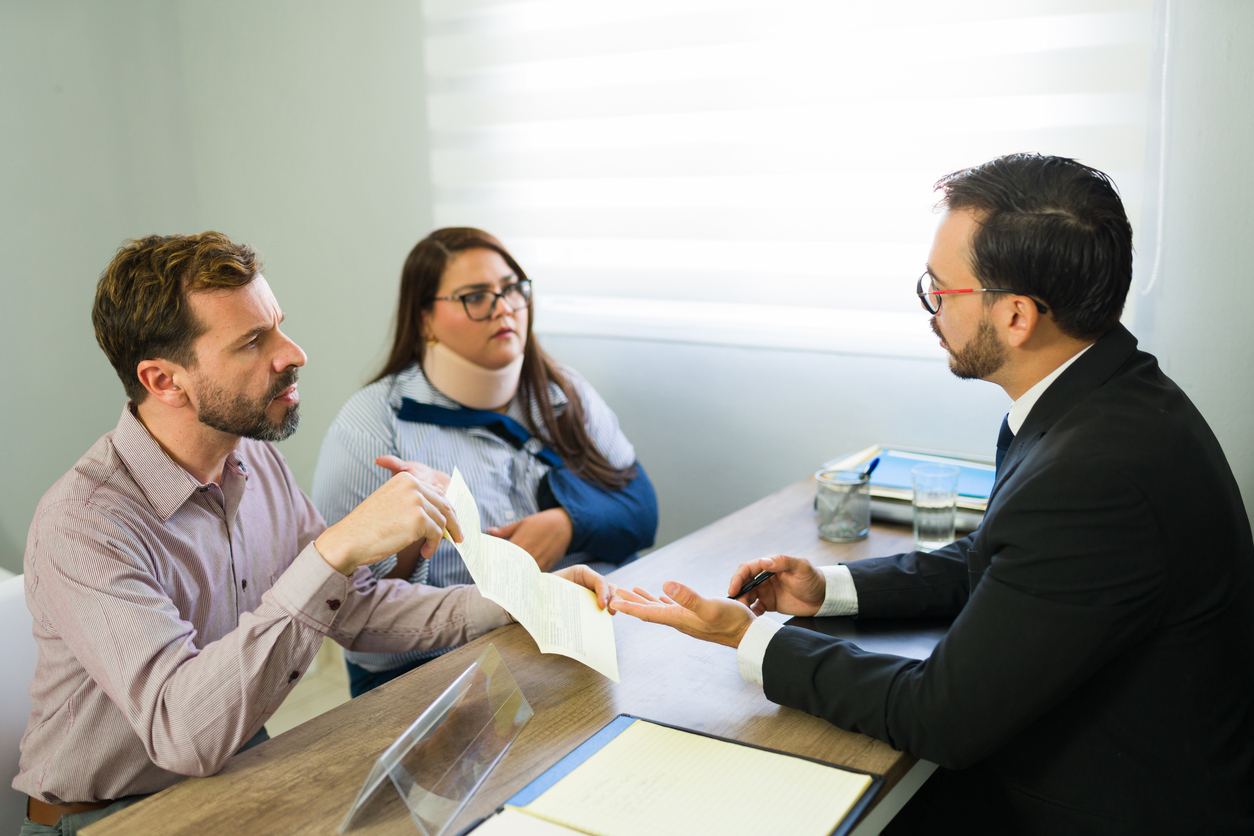
Fault can have a big impact on an injury claim. In some accidents, we think fault is simple. A driver might have run a red light, rear-ended another vehicle, or made an unsafe turn, and insurance companies do not always accept the injured person’s story. An insurer may say that the insurance policyholder did nothing wrong, or that both drivers were to blame, or that the injured person was responsible. These disputes can affect how much compensation is available and how long it takes to resolve a claim. When liability is more complex, insurance companies can hire an auto accident lawyer in los angeles to look into the collision, gather evidence, and respond to an insurance company’s claims of fault.
Why insurance companies fight for the product.
Because fault-finding determines an insurer’s financial responsibility, adjusters might be on the lookout for evidence that someone else did, in fact, cause the collision.
Drivers may remember things differently, witnesses might have differing accounts, and the accident may have happened so quickly that neither driver knows the whole story.
Other disputes may arise from what is possible to prove. An insurance company might point to the location of vehicle damage, statements made after the accident, surveillance footage, or other information to dispute a claim.
A fault dispute does not necessarily mean an injured person can’t receive compensation. It does mean establishing what happened might be a bigger part of the claim.

California’s Comparative Negligence Rules.
California has a pure comparative negligence system in which more than one party can be held responsible for an accident.
If a driver makes an unsafe lane change and another driver goes over the speed limit, then the court can decide that both of them were responsible for the collision and assign each of them a percentage of the responsibility.
The compensation of the injured person can be reduced according to their percentage of fault. If a person’s damages were valued at $100,000 but they were found 20% responsible, then their recovery can be reduced by 20%.
As percentages are the main determinants of compensation, disputes with someone over fault are a big part of negotiations between an injured person and an insurance company.
Evidence That Could Help Establish Fault.
To determine liability often involves looking beyond what the drivers say happened. Evidence (physical and documentary) can be very helpful in the reconstruction of what happened.
The reports of police officers, drivers, and witnesses’ accounts, diagrams of the collision can be included in police reports. Photographs taken at the scene of the accident may show locations of the vehicles, skid marks, road conditions, traffic lights, and damage.
Video can be particularly critical in Los Angeles. Los Angeles accidents are common around businesses, apartment buildings, parking lots, and intersections where security or traffic cameras may have recorded the collision. Dashcam footage can give evidence of speed, traffic, and driver behavior.
Witness testimony might tell you if a driver ran the light, changed lanes without warning, or engaged in another unsafe action.
Vehicle damage can also provide clues. The location and severity of the impact can help investigators understand how the vehicles collided.
Why evidence of accident scenes can disappear quickly.
One reason accidents must be investigated is that some evidence will not be available forever.
Businesses could simply wipe the footage of surveillance cameras or repair or sell the vehicles. Skid marks and debris disappear from roadways. Witnesses can be hard to find, and memories of an accident may become less precise over time.
Evidence in such cases is a central part of a dispute over liability. An attorney can look for available recordings, take pictures, contact witnesses, and keep records of what happened so that they can establish what occurred.
What If the Other Driver Changes Their Story?
The things you say instantly after the accident may not be what you tell an insurance company later.
A driver might apologize later or admit error but then say the other driver was to blame. That does not automatically establish liability one way or the other, but inconsistent statements can become important for an investigation.
This is another reason independent evidence is so important. Photographs, witnesses, video (and more), and physical damage might provide more objective evidence to support either driver’s narrative.
A police report is good evidence; a police report doesn’t necessarily decide who is responsible for the accident but it does not necessarily make the final legal determination of liability.
Officers responding to an accident may take notes of the drivers’ statements, road conditions, and what appears to be a violation of the law. A driver may be told by an officer that they broke some traffic laws and receive a ticket.
Insurance companies will take that information into account when examining a claim. Insurers can conduct their own investigations, but they can do their own investigations, and fault can also be determined through negotiation or litigation.
It is that the police report is one piece of evidence.
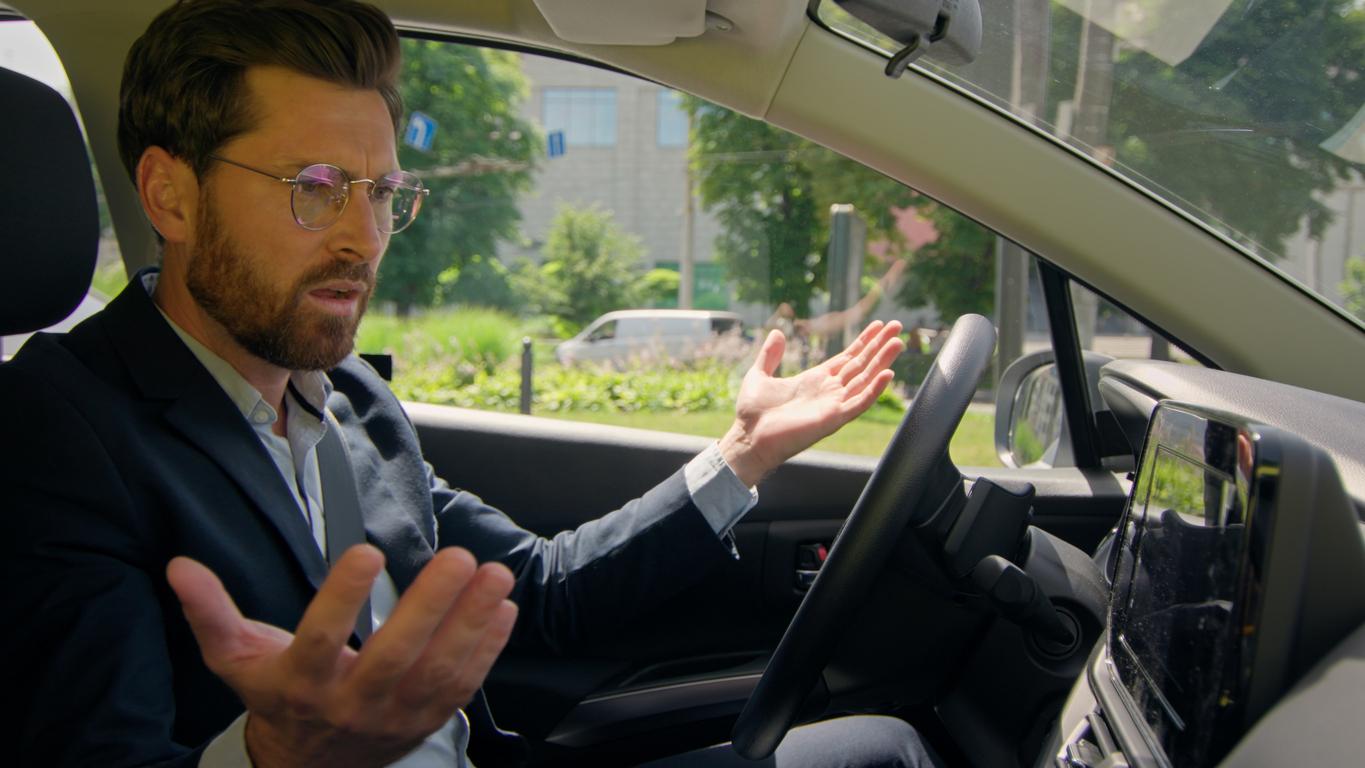
What happens when both drivers blame each other?
Some accidents will result in very different accounts of the events.
One driver might say that he or she had a green light on the road, while the other driver says a green light was turned off. Each driver might claim the other moved into their lane.
In parking lot accidents, drivers might argue that the other vehicle was moving and their car was stopped.
The investigation is more critical when the accounts are different. Attorneys will look at vehicle damage, photographs, videos, witnesses’ testimony, electronic information, and other evidence to reconstruct the sequence of events.
In more complex situations, accident reconstruction experts can also be employed to analyze the vehicle movement, impact location, speed, and roadway evidence.
Be Careful When Talking to Insurance Adjusters.
After a collision, you may contact an insurance adjuster who will ask questions about the accident when you’re in doubt. But the accident victims should also know that whatever they say will be part of the insurance company’s investigation.
A shaken person after a crash might misstate something or conjecture on something they didn’t see. Even the most casual statements can end up in a lawsuit.
Damage is only part of a car accident claim.
A claim that one of the drivers caused an accident, by definition, is not guaranteed to be successful. An injured person usually must also make a statement of loss from the collision.
That could be medical expenses, lost income, property damage, future treatment, and pain and suffering.
Insurance companies can fight these issues separately from liability. For instance, the insurer would admit its policyholder caused the accident but contend certain medical treatment was unrelated to the accident.
It might ask if a worker needed to miss work or the extent of a long-term injury. A car accident claim is therefore a matter of both proving responsibility and documenting damages.
How an Auto Accident Lawyer Can Help With a Fault Dispute.
When an insurance company disputes liability, an attorney can conduct an independent investigation instead of relying entirely on the insurer’s conclusions.
Los Angeles auto accident lawyers have access to police reports, photographs, medical records and insurance documents. The attorney could locate witnesses, request available video footage and examine the physical evidence from the crash.
The lawyer can also work with insurance companies and provide evidence that is consistent with the client’s story.
If the insurance company thinks the injured person was responsible for the accident, it is up to the lawyer to review the evidence and respond.
When a reasonable settlement is not possible, filing a lawsuit could help to get the case into the civil court system.
Do Not Assume a Fault Resolution Is Over.
Be angry when you are blamed for an accident, especially if you believe someone else is responsible for the collision. An insurance company’s initial determination isn’t the final word.
California’s comparative negligence rules also mean that taking some responsibility for an accident does not mean that the victim will not recover damages.
The strength of a claim depends heavily on the evidence to show what happened and to document the extent of the injuries and financial loss.
A collision attorney who can see people with serious injuries, conflicting stories or an insurer who refuses to take responsibility, who can represent them will be able to tell them the legal options in Los Angeles.